
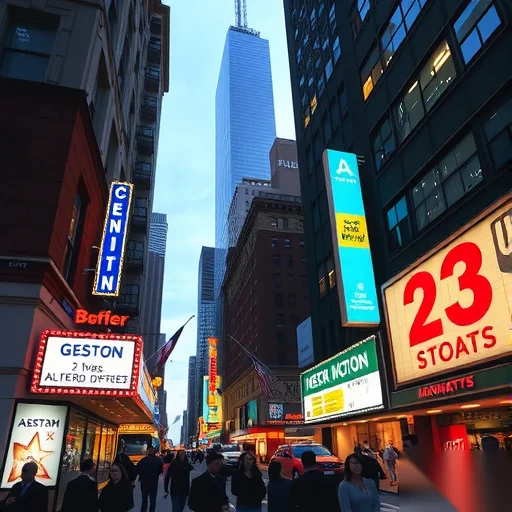
Manhattan is a city of endless stories, and its street scenes are the perfect window into its soul. Whether you’re a first-time visitor or a seasoned traveler, navigating the city’s vibrant streets can be overwhelming. The key to unlocking its charm lies in knowing what to look for and how to experience it like a local. This guide offers a step-by-step approach to exploring Manhattan’s street scenes with confidence and curiosity.
Manhattan’s streets are more than just pathways—they’re living canvases that tell the city’s history, culture, and daily life. From the iconic skyline to the bustling sidewalk cafés, every corner has a story waiting to be discovered. However, without the right strategy, you might miss out on the hidden gems and authentic experiences that make the city unique. The solution? Plan your exploration with a focus on both iconic landmarks and lesser-known spots that reflect the city’s true character.
Start by choosing the right neighborhoods. Manhattan is divided into distinct areas, each with its own vibe. For example, the Upper East Side offers a blend of luxury and history, while the Lower East Side is rich in cultural heritage and street art. Decide which districts align with your interests—whether it’s art, history, food, or urban energy—and prioritize them in your itinerary.
Next, invest in a good map or a reliable navigation app. While Manhattan’s streets are well-marked, knowing the best routes to hidden gems can make all the difference. Apps like Google Maps or Citymapper can help you navigate efficiently, but don’t rely solely on technology. Sometimes, the best discoveries come from wandering down a quiet side street or following the flow of foot traffic.
Another essential tip is to embrace the rhythm of the city. Manhattan moves at a fast pace, so be ready to adapt. If you find yourself in a crowded area, take a moment to observe the surroundings—people-watching can reveal fascinating stories about the city’s daily life. Don’t rush through the streets; instead, take time to absorb the details that make each scene unique.
For a deeper experience, consider visiting during specific times of the day. Early mornings often offer a different perspective, with fewer crowds and a more serene atmosphere. Lunchtime can be a great opportunity to explore local eateries and street food markets, while evenings bring a vibrant energy with street performers, neon lights, and a lively atmosphere.
A case in point is the area around Washington Square Park. While it’s a popular spot, many visitors only see the park itself. However, walking around the surrounding streets reveals a hidden world of indie shops, vintage bookstores, and street musicians. By taking a few detours, you can uncover a more authentic side of Manhattan that goes beyond the usual tourist spots.
In addition to exploring visually, engage with the city’s culture through its streets. Look for murals, public art installations, and local markets that reflect the community’s identity. Don’t hesitate to ask locals for recommendations—they often know the best places to explore that aren’t listed in guidebooks.
Lastly, keep an open mind and stay curious. Manhattan’s streets are ever-changing, and the best experiences often come from spontaneity. Whether you’re admiring the view from a rooftop bar, sipping coffee at a cozy café, or simply people-watching on a quiet corner, every moment adds to the city’s charm.



The advice about exploring during different times of the day was so useful. I loved the section on Washington Square Park—so much more than I expected!
This guide really helped me plan my trip to Manhattan. I followed the tips and discovered some amazing hidden spots I wouldn’t have found otherwise.