
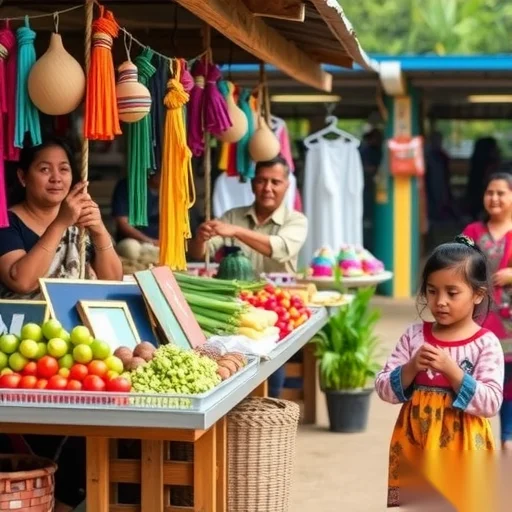
Traveling to rural markets is a unique way to experience local culture, taste authentic food, and discover handmade goods. However, for many travelers, the challenge lies in planning an effective and enjoyable rural market tour. The solution? A well-structured itinerary that balances exploration, comfort, and cultural immersion. This guide will walk you through the essential steps to plan a successful rural market tour, ensuring you make the most of your visit.
Rural markets are more than just places to buy local products—they are vibrant hubs of community life. From fresh produce to traditional crafts, these markets offer a glimpse into the daily lives of local people. However, without proper planning, visitors may miss out on the full experience. A good rural market tour requires understanding the local culture, knowing the best times to visit, and preparing for the unique atmosphere of these markets.
The first step in planning a rural market tour is to research the destination. Identify the specific markets you want to visit and learn about their history, specialties, and local traditions. This knowledge will help you engage with the community and appreciate the market’s significance. For example, if you’re visiting a market known for its textiles, you might want to ask local artisans about their techniques or even try your hand at weaving.
Next, consider the timing of your visit. Rural markets often operate on a daily basis, but their hours can vary depending on the season and local customs. Some markets are open only on certain days of the week, while others may close during holidays or festivals. Planning your visit around these schedules ensures you don’t miss out on the best experiences. It’s also a good idea to visit early in the morning when the market is still fresh and the atmosphere is lively.
Once you’ve identified the markets and planned your visit, it’s time to prepare for the experience. Pack comfortable shoes, a reusable bag, and some cash, as many vendors may not accept credit cards. Bring a notebook or camera to document your findings and take photos of the local goods. Additionally, learning a few basic phrases in the local language can help you communicate with vendors and enhance your interactions.
A well-planned rural market tour should include a mix of exploration and reflection. Take time to observe the interactions between vendors and customers, and don’t hesitate to ask questions. This is where the real magic happens—learning about the stories behind the products and the people who create them. For instance, in a market known for its spices, you might discover that a particular spice is used in a traditional recipe passed down through generations.
To illustrate the process, let’s consider a case example: a traveler planning a rural market tour in Yunnan Province, China. After researching, they identified the local morning market in Lijiang as a must-visit. They scheduled their trip for early morning, packed a reusable bag, and learned a few basic Mandarin phrases. Upon arrival, they were greeted by the vibrant colors of fresh vegetables, aromatic herbs, and handmade crafts. By engaging with local vendors, they learned about the region’s agricultural practices and even tried a traditional tea-making method. This experience not only enriched their understanding of the local culture but also created lasting memories.
Another important aspect of a rural market tour is sustainability. Supporting local markets helps preserve traditional crafts and supports the local economy. Look for vendors who use eco-friendly practices or promote fair trade. By making conscious choices, you contribute to the community and ensure that the market continues to thrive for future generations.
In addition to exploring the market, consider visiting nearby attractions to create a more comprehensive experience. Many rural markets are located near historical sites, natural landscapes, or cultural landmarks. For example, after visiting a market in a small village, you might take a short trip to a nearby temple or scenic mountain view. This approach allows you to immerse yourself in the local culture while enjoying the natural beauty of the area.
Finally, reflect on your experience and share your insights with others. Document your findings through photos, notes, or a blog post. This not only helps you retain the memories but also inspires others to explore rural markets. By sharing your story, you become part of a larger conversation about cultural preservation and sustainable tourism.





I followed this guide and visited a market in Vietnam. It was amazing to see the local culture and taste the fresh food. Definitely recommend!
The tips on timing and preparation were really helpful. I was able to have a great experience and even made a local friend!