
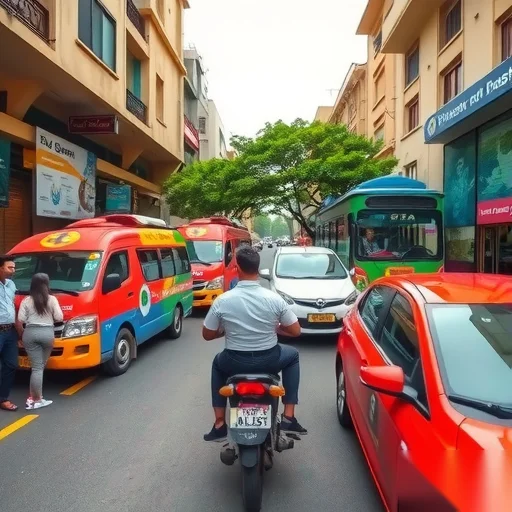
Traveling through South America can be an incredible adventure, but navigating its vast landscapes and diverse cities can feel overwhelming. The key to a smooth and enjoyable journey lies in understanding the best ways to move between destinations, whether you’re exploring the Amazon rainforest, hiking the Andes, or soaking up the vibrant culture of Buenos Aires. This guide will walk you through the most practical and cost-effective methods for getting around South America, ensuring you make the most of your trip without breaking the bank.
South America is a continent of contrasts, with everything from bustling metropolises to remote mountain villages and dense jungles. Unlike Europe, where trains and buses are often the primary modes of transport, South America offers a mix of options that cater to different budgets and travel styles. The challenge lies in figuring out which method is best for your specific needs—whether you’re looking for speed, comfort, or affordability. The good news is that with a little planning, you can easily navigate the continent with confidence.
Public transportation is the most cost-effective way to get around South America, but it can be unpredictable in terms of schedules and comfort. Buses are the most common option, especially for long-distance travel between major cities. They are affordable, but they can be crowded and uncomfortable, especially on overnight routes. Trains are a better option for shorter distances, particularly in countries like Argentina, Brazil, and Chile, where rail networks are well-developed. However, in many parts of the continent, rail travel is limited, and you may need to rely on buses or flights.
Flights are the fastest way to travel between cities, but they can be expensive, especially for short distances. For example, flying from Lima to Cusco is a quick 1-hour flight, but it can cost more than a bus ride that takes 14 hours. If you’re planning to visit multiple countries, consider using a regional airline that offers competitive pricing and frequent routes. Additionally, some countries have domestic flight networks that are more affordable than international airlines.
For those who prefer a more scenic and immersive experience, renting a car is a great option, especially in countries like Peru, Bolivia, and Argentina. However, driving in South America can be challenging due to poor road conditions, long distances, and limited fuel availability in remote areas. It’s important to research the road conditions and fuel prices before embarking on a road trip. If you’re not confident in your driving skills, consider hiring a local driver or joining a guided tour.
Another popular option is to use ride-sharing services like Uber or local equivalents in major cities. These services are widely available in cities like Bogotá, São Paulo, and Santiago, but they may not be as reliable in rural areas. For longer trips, you might want to combine multiple modes of transport—such as flying to a city and then taking a bus or train to your final destination.
Let’s look at a real-world example: imagine you’re planning a trip from Quito, Ecuador, to La Paz, Bolivia. The most direct way is to take a bus, which takes around 12 hours and costs about $20. Alternatively, you could fly, which would take less than an hour but cost around $100. If you’re looking for a more scenic route, you could take a bus that goes through the Andes, offering stunning views of the mountains. This option is slightly more expensive but provides a unique travel experience.
In addition to choosing the right mode of transport, it’s important to plan your itinerary in advance. Many travel agencies and online platforms offer packages that include transportation, accommodation, and activities. These can be a great way to save time and money, especially if you’re not familiar with the local transportation systems. However, it’s always a good idea to read reviews and compare prices before booking.
Finally, always keep your travel documents safe and have a backup plan in case of unexpected delays or cancellations. Whether you’re relying on buses, trains, flights, or driving, being prepared can make all the difference in ensuring a smooth and enjoyable journey.





This guide was super helpful! I was worried about getting around South America, but now I feel more confident about my travel plans. Thanks for the tips!
The example with Quito to La Paz was really useful. I didn’t know about the scenic bus route. I’m going to look into that!
I love the part about combining different modes of transport. It’s a great way to save money without sacrificing comfort.