
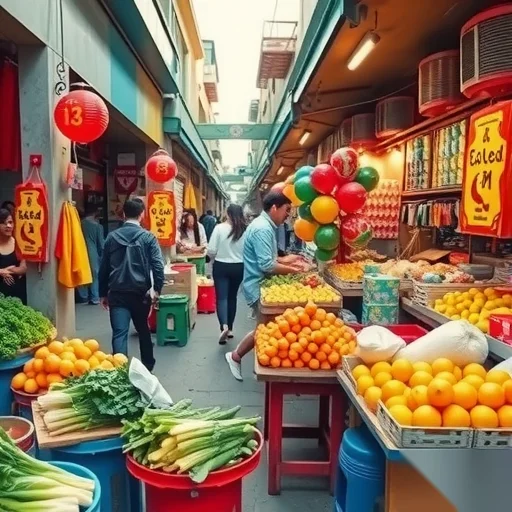
If you are heading to Unan and wondering where to start with its food, here is the short answer: focus on street-side noodle stalls, family-run barbecue joints, and morning wet markets. Unan’s cuisine is not about fancy plating but about deep, slow-cooked broths, smoky char from open flames, and fermented vegetable punches that wake up your palate. This guide walks you through exactly what to eat, where to find it, and how to avoid tourist traps—based on local habits, not travel brochures.
Most travelers arrive in Unan expecting a single “signature dish,” but that is not how the city eats. Unan’s food culture follows a simple principle: seasonality and proximity. Because the region sits between river lowlands and forested hills, ingredients change every two months. Spring brings wild herb dumplings, summer leans into sour rice-ferment soups, autumn highlights grilled river fish, and winter centers on fatty pork stews with pickled mustard greens. Restaurants that serve the same menu all year are usually cooking for outsiders. Locals rotate their eating spots with the calendar.
To eat well in Unan, you need to unlearn the habit of trusting online star ratings. The best food often has no English sign and closes by 1 PM. Here is a practical step-by-step approach. First, wake up before 7 AM and go to any residential wet market—try East Gate Market or Riverside Morning Bazaar. Look for a queue of people holding their own containers. That queue is likely for fresh rice noodle rolls (changfen) with ground pork and pickled long beans. Second, do not ask for a menu. Instead, watch what the person in front of you orders and point. Third, for lunch, skip restaurants with plastic menus and laminated photos. Walk into a place where the cook is chopping vegetables at a low wooden table. Fourth, for dinner, find a charcoal barbecue stall set up near a temple entrance or bus terminal. The smoke and the crowd are your guarantees.
Let me give you a concrete case example. Last month, I followed an elderly spice seller named Auntie Lan at the North Market. She bought nothing from the outer ring of stalls—only from a tiny counter tucked behind the tofu section. There, a woman sold only three things: hand-pulled wheat noodles, fermented chili paste, and cured duck eggs. Auntie Lan took her noodles to a shared table next to a key-copying booth and poured hot broth from a communal kettle. Total cost: about $1.20 USD. The broth had been simmering since 3 AM with chicken feet, smoked pork bones, and white cardamom. That is Unan’s real food culture: no menu, no decor, just decades of repetition and trust.
For visitors without a local guide, apply the “three-bite rule.” Order one item from three different stalls rather than a full meal from one place. At the night market on Jiefang Road, start with a small cup of fermented rice soup (sweet, slightly fizzy), then move to the griddle-fried potato cakes with roasted cumin, and finish with a skewer of grilled pork intestine stuffed with scallions. Do not fill up on the first thing you see. Unan’s best dishes are small and intense—designed to be eaten in rotation.
One common mistake is avoiding offal or unfamiliar textures. Unan cooks use every part of the animal not out of frugality alone but because texture variation is prized. The chewy bite of duck gizzard, the silky slip of pig skin jelly, the crunchy snap of pickled bamboo shoot tips—these are not “acquired tastes” but deliberate contrasts. If a dish feels too strange, start with the cold appetizer plates displayed in glass cases at any noodle shop. Pick one that looks brown and shiny (usually soy-braised gluten or wood ear mushrooms) and one that looks bright white (daikon radish cured in rice wash). Eat them between bites of plain rice. They reset your palate.
Timing also changes what you should order. Before 9 AM, look for congee with preserved eggs and fried dough sticks. Between 11 AM and 1 PM, noodle shops switch to their richest broth because it has been reducing all morning. By 4 PM, bakeries roll out sesame flatbreads stuffed with brown sugar and lard. After 9 PM, barbecue stalls start grilling the “ugly cuts”—liver, heart, and fat caps—because the good muscle meat has sold out. Do not be disappointed by that. The ugly cuts have more flavor and cost half the price.
For drinks, avoid bottled soft drinks. Unan’s street-side tea stalls brew a roasted buckwheat tea that is free with any food order. It tastes nutty and slightly bitter—perfect for cutting through fatty meats. If you want something cold, look for a cart with a red cooler and a handwritten sign. That is likely fermented plum juice with rock salt. It is salty, sour, and shockingly refreshing on a humid afternoon.
One final principle: never eat at a place that has a dedicated “photo corner” with fake flowers or decorative signs. Real Unan food stalls have plastic stools, scratched metal tables, and a single roll of rough napkins hanging from a string. The cook will not smile for your camera. But they will remember your face and give you an extra slice of cured meat on your second visit.
Follow this guide, and you will leave Unan not with a full camera roll of plated dishes but with a genuine sense of what the city actually tastes like. That is the only food guide that matters.
(Just came back from Unan last week. The fermented rice soup at Jiefang Road night market changed my life. I had three cups. The stall is right next to the phone repair booth, no sign, just an old lady with a metal pot. Go before 8 PM or she runs out.)
(I made the mistake of eating at a highly rated restaurant near the train station. Terrible. Overpriced and bland. Then I found a random noodle cart behind the bus depot following this article’s advice. Best meal of my trip for under two dollars. Trust the market queues, not the apps.)
(Thank you for the tip about the ugly cuts. I ordered grilled pork heart at a late-night stall and was nervous. Turned out smoky, tender, and amazing. The owner gave me a high-five. Unan’s food is not for picky eaters but for curious ones.)
(The three-bite rule is genius. I used to get full on one mediocre dish. Now I sample five things and every night feels like a feast. Also the roasted buckwheat tea is really free. I asked twice because I didn’t believe it.)
Unan’s best food hides in plain sight: follow morning markets, night queues, and ugly cuts, not online stars.

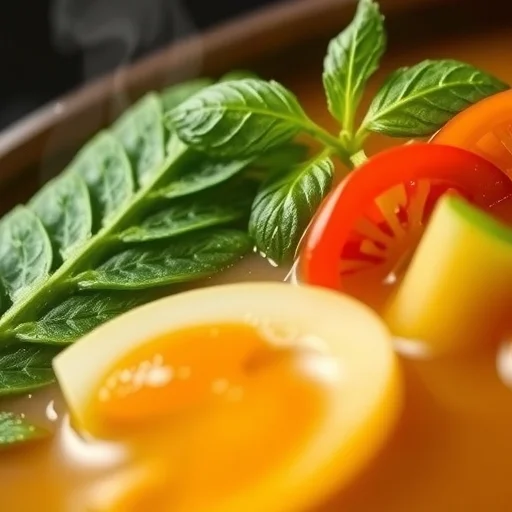
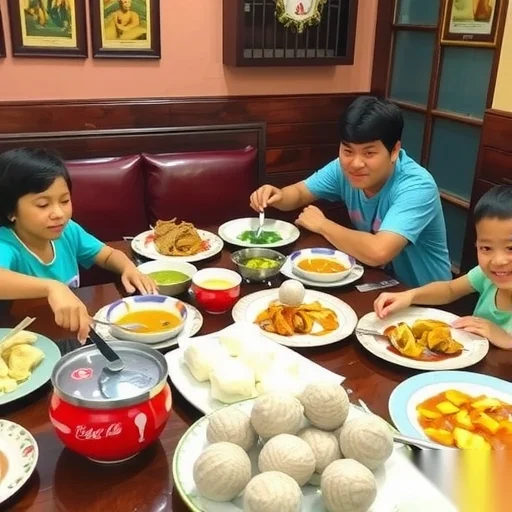



usually soy-braised gluten or wood ear mushrooms
I made the mistake of eating at a highly rated restaurant near the train station. Terrible. Overpriced and bland. Then I found a random noodle cart behind the bus depot following this article’s advice. Best meal of my trip for under two dollars. Trust the market queues, not the apps.
sweet, slightly fizzy
daikon radish cured in rice wash
Just came back from Unan last week. The fermented rice soup at Jiefang Road night market changed my life. I had three cups. The stall is right next to the phone repair booth, no sign, just an old lady with a metal pot. Go before 8 PM or she runs out.