

Traveling can be an adventure, but staying comfortable in unfamiliar places is a challenge. If you’re looking for a way to stay warm and protected while on the move, making your own travel sleeping bag at home is a practical and cost-effective solution. With just a few materials and a bit of patience, you can create a custom sleeping bag that fits your needs perfectly. Whether you’re a backpacker, a campsite enthusiast, or simply someone who values comfort on the go, this guide will walk you through the process step by step, ensuring you have everything you need to create your own travel sleeping bag.
The key to making a functional travel sleeping bag lies in understanding the right materials and construction techniques. A quality sleeping bag should be durable, insulating, and easy to pack. The most common materials used are cotton, polyester, and nylon, each offering different levels of comfort and weather resistance. For the inner layer, a soft and breathable fabric like cotton is ideal, while the outer layer should be waterproof or water-resistant to protect against the elements. Additionally, zippers, pockets, and reinforced seams are essential for functionality and longevity. By choosing the right materials and paying attention to the details, you can ensure your sleeping bag is both practical and comfortable.
Before you start, gather all the necessary materials and tools. You’ll need a piece of fabric for the inner layer, a waterproof or water-resistant fabric for the outer layer, a zipper that matches the length of the sleeping bag, thread, a sewing machine or needle and thread, and a few additional items like a ruler, scissors, and pins. It’s also helpful to have a pattern or a template to guide your cutting and sewing. If you don’t have a pattern, you can create one by measuring the dimensions of a standard sleeping bag or using a piece of cardboard to outline the shape. Once you have everything ready, you can begin the process of cutting and assembling your sleeping bag.
Cutting the fabric is the first step in making your travel sleeping bag. Start by measuring and marking the inner and outer layers according to your desired size. For a standard travel sleeping bag, a length of around 200 cm and a width of 80 cm is a good starting point. Use a ruler and scissors to cut out the pieces, making sure the edges are clean and straight. It’s important to double-check the measurements before cutting, as any mistakes at this stage can affect the final fit and comfort of the sleeping bag. Once the fabric pieces are cut, it’s time to sew them together. Begin by sewing the sides of the inner and outer layers, then attach the outer layer to the inner layer using a seam allowance. This creates the basic structure of the sleeping bag.
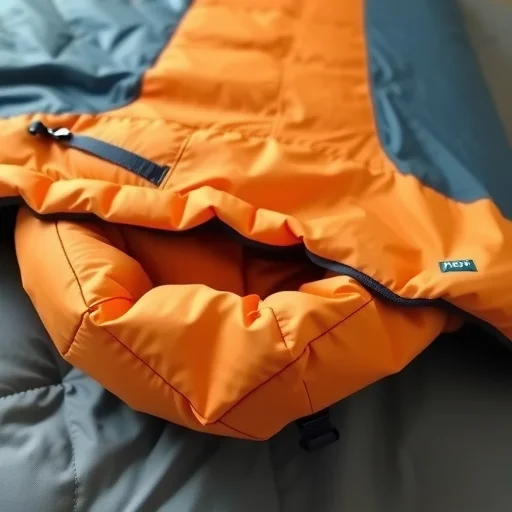
Next, you’ll need to add the zipper. This is one of the most important parts of the sleeping bag, as it allows for easy entry and exit. Measure the length of the zipper and mark the opening on the front of the sleeping bag. Sew the zipper into place, making sure it is aligned properly and securely attached. It’s also a good idea to reinforce the zipper area with additional stitching to prevent it from coming loose over time. Once the zipper is in place, you can move on to adding pockets and other features. Pockets can be added to the sides or front of the sleeping bag for extra storage, and they can be sewn in using the same technique as the main seams. This not only adds functionality but also makes your sleeping bag more versatile for different travel scenarios.
Finally, it’s time to finish the edges of the sleeping bag. This step is often overlooked, but it plays a crucial role in the durability and comfort of the final product. Use a serger or zigzag stitch to finish the edges of the fabric, preventing fraying and ensuring a clean, professional look. Once all the seams are sewn and the edges are finished, your travel sleeping bag is ready to use. You can test it out by packing it into a stuff sack and checking its size and comfort. If any adjustments are needed, you can easily modify the design or add additional features to improve its functionality.
To give you a better idea of how this process works in practice, let’s look at a real-life example. Sarah, an avid traveler, decided to make her own travel sleeping bag to save money and ensure she had something reliable during her trips. She followed the steps outlined in this guide, using a combination of cotton and polyester fabrics for the inner and outer layers. She added a zipper and two side pockets, and finished the edges with a zigzag stitch. After a few weeks of use, she reported that the sleeping bag was comfortable, durable, and perfect for



This is such a creative and practical idea! I’ve been looking for ways to save money on travel gear, and this seems like a great DIY project.
I love the idea of making my own sleeping bag—it’s eco-friendly and adds a personal touch to my travels. I’m definitely going to try this!