
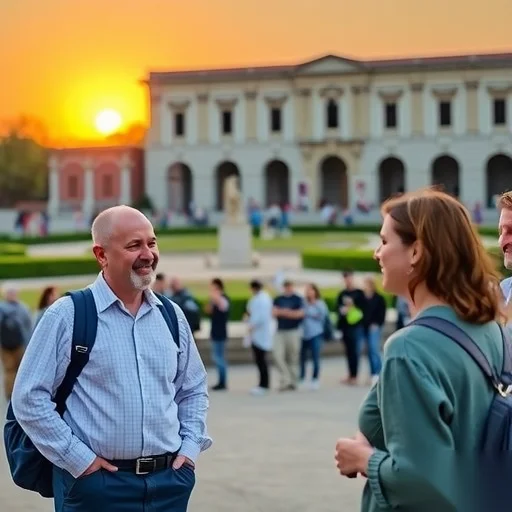
As a tour guide, one of the biggest challenges is creating a travel itinerary that is both engaging and practical. The key to success lies in understanding the audience, balancing sightseeing with relaxation, and ensuring every moment adds value. By following a few core principles and taking the right steps, you can craft a travel plan that leaves your guests excited, informed, and satisfied.
When designing a tour, it’s essential to start by understanding the interests and needs of your group. Every traveler has different expectations, whether they are adventure seekers, culture enthusiasts, or simply looking for a relaxing getaway. Taking the time to ask questions and listen to their preferences will help you tailor the itinerary to suit everyone. This personalized approach not only enhances the experience but also builds trust and rapport with your guests.
Next, structure your itinerary with a clear balance between activity and downtime. A well-planned day should include a mix of sightseeing, cultural experiences, and opportunities for rest. For example, after a morning of exploring historical landmarks, allow time for lunch and a short break before moving on to a more active afternoon. This prevents burnout and ensures that your group remains engaged throughout the trip.
Another important principle is to prioritize the most significant attractions while leaving room for spontaneity. While it’s tempting to pack in as many sites as possible, over-scheduling can lead to fatigue and dissatisfaction. Instead, focus on the must-see highlights and offer optional activities for those who want to explore further. This flexibility allows your guests to enjoy the trip on their own terms while still feeling that they’ve had a meaningful experience.
To make the journey more memorable, incorporate storytelling and local insights. Tour guides are not just facilitators of sightseeing—they are storytellers who bring destinations to life. Sharing the history, culture, and significance of each location adds depth to the experience and creates a more immersive journey. Whether it’s explaining the architectural details of a landmark or sharing a local legend, these moments can leave a lasting impression.
Incorporating local cuisine is another way to enrich the travel experience. Food is an integral part of any culture, and offering tastings or dining experiences can provide a unique perspective on the destination. However, it’s important to choose restaurants that are both authentic and comfortable for your group. This ensures that your guests can enjoy the local flavors without compromising on quality or safety.
Let’s take a real-world example to illustrate how these principles can be applied. Imagine a tour in Paris that starts with a morning visit to the Louvre, followed by a leisurely lunch at a nearby bistro. In the afternoon, the group explores Montmartre, with a stop at the Sacré-Cœur Basilica. To add a local touch, the guide can share stories about the artists who once lived in the area and recommend a small café for dessert. This itinerary balances sightseeing with relaxation, offers cultural insights, and includes personal touches that make the trip memorable.
In addition to these elements, it’s crucial to maintain a flexible mindset and be prepared to adapt to unexpected situations. Weather changes, transportation delays, or last-minute cancellations are all part of the travel experience. Being able to think on your feet and offer alternative options will help you manage these challenges smoothly and keep your guests happy.
Finally, always end the day with a meaningful reflection or activity that ties the experiences together. Whether it’s a guided discussion, a shared activity, or a quiet moment to reflect on the day’s highlights, these moments help reinforce the value of the trip and create a sense of closure.





I’ve often struggled with time management during tours—this article offers some great insights.
Creating an engaging itinerary requires a deep understanding of the group’s interests and preferences.
Tour guides play a crucial role in shaping the overall experience, and this article highlights that perfectly.
It’s amazing how much thought goes into planning a balanced and meaningful travel experience.
A well-planned itinerary can make all the difference in ensuring a memorable trip for tourists.