
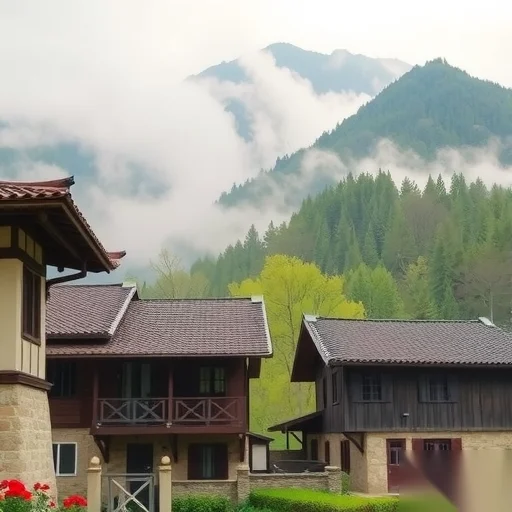
Xiangxi, located in the mountainous regions of Hunan Province, is often referred to as the “Last Kingdom of the Huaxia” and is a hidden gem for travelers seeking authenticity and natural beauty. If you’re wondering how to make the most of your trip to Xiangxi, this guide will provide you with a clear roadmap to experience its unique culture, landscapes, and local traditions. Whether you’re a first-time visitor or a seasoned traveler, this guide will help you uncover the best ways to explore the region without missing out on its most breathtaking sights and experiences.
Xiangxi is known for its breathtaking natural landscapes, including the famous Zhangjiajie National Forest Park, which inspired the floating mountains in the movie *Avatar*. However, beyond the well-known attractions, the region is also home to numerous lesser-known villages, hidden waterfalls, and traditional ethnic cultures that are worth exploring. To truly appreciate Xiangxi, it’s important to understand the principles of sustainable travel and cultural respect. Travelers should prioritize eco-friendly practices, support local businesses, and engage with the local communities in a respectful manner. By doing so, you not only protect the environment but also enhance your travel experience by connecting with the people and traditions that make Xiangxi unique.
Planning a trip to Xiangxi requires careful consideration of the best time to visit, transportation options, and local customs. The ideal time to visit is from April to October, when the weather is mild and the natural scenery is at its most vibrant. During this period, you can enjoy the blooming wildflowers in the mountains and the lush greenery of the forests. If you’re planning to visit during the winter months, be prepared for colder temperatures and limited access to some remote areas. For transportation, the most convenient option is to fly into Changsha, the capital of Hunan Province, and then take a bus or train to Zhangjiajie or other nearby towns. Alternatively, you can take a direct bus from major cities like Changsha or Shanghai to Xiangxi, depending on the destination.
When visiting Xiangxi, it’s essential to follow a structured itinerary that allows you to explore both the natural and cultural highlights of the region. Start your journey by visiting Zhangjiajie National Forest Park, where you can take a cable car to the top of the mountains for panoramic views. From there, hike through the forested trails and admire the towering sandstone pillars that are a hallmark of the area. Next, head to Tianmen Mountain, which is famous for its steep cliff faces and the Tianmen Cave. Don’t forget to visit the nearby Wulingyuan Scenic Area, which offers a unique blend of mountainous landscapes and traditional villages.
A great example of how to experience Xiangxi is by following a three-day itinerary that includes Zhangjiajie, Tianmen Mountain, and a visit to a local ethnic village. On the first day, arrive in Zhangjiajie and spend the afternoon exploring the park. On the second day, travel to Tianmen Mountain and take a cable car to the summit for breathtaking views. In the evening, visit a nearby ethnic village to experience local culture and cuisine. On the third day, head to a remote village such as Tuojiang or Fenghuang, where you can immerse yourself in the local lifestyle, try traditional dishes, and learn about the customs of the Miao and Tujia ethnic groups. This itinerary allows you to experience the best of Xiangxi while also respecting the local environment and communities.
For those who prefer a more relaxed pace, consider spending a few days in a smaller village like Tuojiang or Fenghuang. These towns offer a slower, more immersive experience, with narrow streets, traditional wooden houses, and vibrant markets. In Tuojiang, you can take a boat ride on the Tuojiang River and visit the nearby Jiangxi Village, which is known for its beautifully preserved architecture. In Fenghuang, explore the ancient town’s historical sites, including the ancient bridges and temples, and enjoy the local cuisine, which includes dishes like smoked pork and rice noodles.
Traveling to Xiangxi is not just about seeing the sights—it’s also about connecting with the local culture and people. Engaging with the local communities through homestays, cultural performances, or traditional festivals can provide a deeper understanding of the region’s heritage. Additionally, supporting local businesses by purchasing handmade crafts or trying local food helps sustain the economy and preserve the region’s traditions.

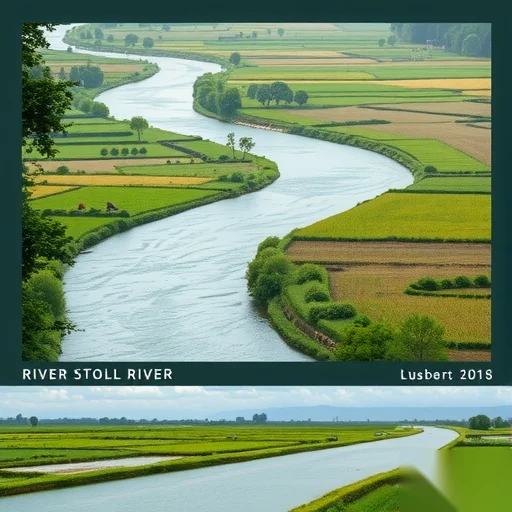


The natural scenery described really captures the essence of Xiangxi. I’d love to visit and experience the traditional wooden houses and the scenic river firsthand.
What a beautiful place! I can only imagine the peaceful atmosphere of Xiangxi. It sounds like the perfect destination for a relaxing getaway.