
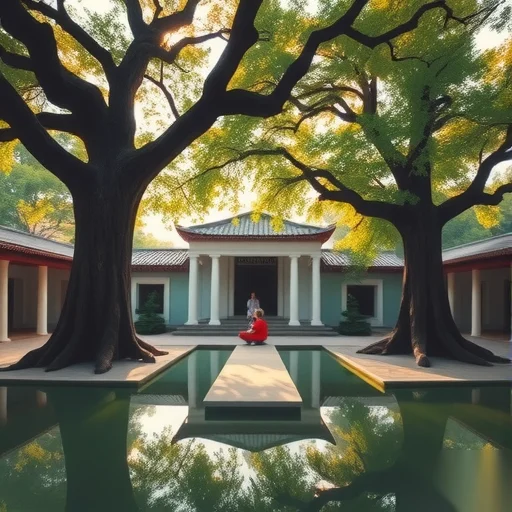
Henan’s temple tourism offers a unique blend of history, culture, and natural beauty, but for many travelers, the challenge lies in figuring out where to start and how to make the most of their visit. The solution? A well-structured itinerary that balances historical exploration with practical tips and local insights. This guide will help you plan a perfect trip to Henan’s temple tourism by covering everything from must-visit sites to travel essentials, ensuring a memorable and hassle-free experience.
Henan is home to some of China’s most iconic temples, each with its own historical significance and architectural marvels. From the ancient temples of Luoyang to the serene landscapes of Mount Song, there’s something for every type of traveler. However, without proper planning, it’s easy to miss the highlights or feel overwhelmed by the sheer variety of options. To avoid this, it’s essential to start by identifying the key temples and cultural sites you’re most interested in. For history buffs, the Longmen Grottoes and Shaolin Temple are must-see destinations, while nature lovers might prefer the scenic temples of Mount Song.
Once you’ve narrowed down your focus, the next step is to research the best times to visit. Henan’s climate is generally mild, but the best time to visit temples is during the spring or autumn months when the weather is pleasant and the surroundings are at their most beautiful. Additionally, some temples host special festivals or events throughout the year, which can offer a deeper cultural experience. For example, the Temple of the Buddha’s Relics in Luoyang often hosts traditional Buddhist ceremonies during the Lunar New Year, providing a unique opportunity to witness local traditions.
When planning your itinerary, it’s also important to consider the logistics of your visit. Henan is well-connected by both high-speed rail and road networks, making it easy to travel between major cities and temple sites. However, some remote temples may require a longer journey, so it’s advisable to book accommodations in advance, especially during peak travel seasons. Local transportation options, such as buses and shared taxis, can also be a cost-effective way to get around, but it’s always a good idea to plan your routes in advance to avoid any unexpected delays.
A practical tip for maximizing your temple visit is to prioritize the sites that align with your interests and travel goals. For instance, if you’re a history enthusiast, dedicating a full day to the Longmen Grottoes will allow you to explore the intricate carvings and Buddhist statues in detail. On the other hand, if you’re more interested in spiritual experiences, spending time at the Shaolin Temple can offer a deeper understanding of Zen Buddhism and martial arts traditions. Additionally, visiting temples early in the morning can help you avoid crowds and enjoy a more peaceful atmosphere.
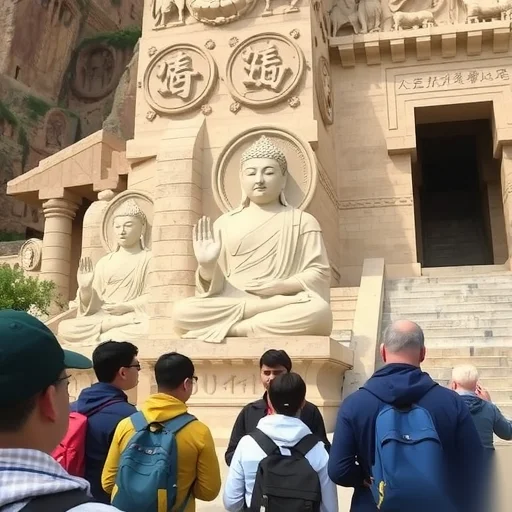
To ensure a more enriching experience, it’s also helpful to engage with local guides or cultural experts. Many temples offer guided tours that provide valuable historical context and insights into the significance of the site. For example, a local guide at Mount Song Temple can explain the legends behind the temple’s construction and its role in Chinese mythology. These interactions not only enhance your understanding but also create lasting memories of your trip.
One real-life example of a successful temple visit is the experience of a traveler who visited the Temple of the Buddha’s Relics in Luoyang during the Spring Festival. By researching the temple’s cultural events and booking a guided tour, they were able to participate in a traditional Buddhist ceremony and enjoy a unique glimpse into local traditions. This not only made their trip more meaningful but also allowed them to connect with the local community in a deeper way.
In addition to the cultural and historical aspects, it’s important to consider the practicalities of your visit, such as accommodation, food, and transportation. Henan offers a wide range of lodging options, from budget-friendly guesthouses to luxury hotels, ensuring that there’s something for every traveler. Local cuisine is another highlight of the region, with dishes like braised carp and Henan-style noodles offering a taste of the local culture. However, it’s advisable to try the food at local markets or family-run restaurants for the most authentic experience.
Overall, planning a perfect trip to Henan’s temple tourism requires a combination of research, preparation, and flexibility. By focusing on the key sites, timing your visit appropriately, and engaging with local culture, you can create an unforgettable journey that highlights the region’s rich history and spiritual heritage.



This guide is incredibly helpful. I never knew about the festivals at the Temple of the Buddha’s Relics. I’ll definitely plan a visit during the Spring Festival next year.