
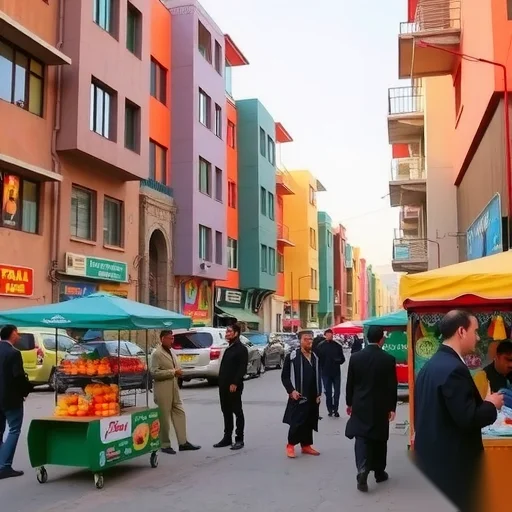
Traveling to Iraq can be a once-in-a-lifetime experience, but it’s not without its challenges. If you’re wondering *how to plan a trip to Iraq*, this guide will walk you through the essential steps, cultural considerations, and practical tips to ensure a safe and enriching journey. Whether you’re a first-time visitor or looking to explore the country’s hidden gems, this guide will help you navigate the complexities of traveling to Iraq with confidence.
Iraq is a country rich in history, culture, and natural beauty, but it also requires careful planning. From understanding the political climate to respecting local customs, there are several factors that can make or break your trip. The key to a successful visit lies in thorough preparation, awareness of the local environment, and a willingness to adapt to the unique challenges of the region.
Before you start planning, it’s important to understand the current situation in Iraq. While the country has made progress in stability and security, certain areas remain sensitive. It’s crucial to consult reliable travel advisories and stay updated on any changes in the political or security landscape. Additionally, the weather can vary significantly depending on the region and time of year, so packing the right clothing is essential.
Once you’ve confirmed that Iraq is safe for your visit, the next step is to choose the right time to go. The best months to visit Iraq are typically between October and March, when the weather is milder and more comfortable for exploring the country. During this period, you’ll also have a better chance of experiencing cultural festivals and historical sites without the discomfort of extreme heat.
When planning your itinerary, consider visiting some of Iraq’s most iconic landmarks, such as the ancient city of Babylon, the ruins of Nimrud, and the stunning landscapes of the Kurdish region. Each destination offers a unique glimpse into Iraq’s rich history and diverse culture. However, it’s important to be mindful of local customs and dress modestly, especially in religious or conservative areas.
Booking your accommodation in advance is another critical step. Iraq has a range of options, from budget-friendly guesthouses to luxury hotels, depending on your preferences and budget. It’s advisable to choose accommodations in safe and well-traveled areas, especially if you’re visiting for the first time. Many hotels and guesthouses offer guided tours, which can be a great way to explore the country while ensuring your safety and comfort.
Transportation in Iraq can be a bit challenging, especially for first-time visitors. Public transportation is limited in many areas, so hiring a private guide or driver is often the most reliable option. This not only ensures your safety but also allows you to experience the country more deeply with local insights. If you plan to travel independently, make sure to research the routes and transportation options thoroughly before departure.
Cultural sensitivity is another important aspect of traveling in Iraq. The country has a deep respect for tradition and religion, so it’s essential to be respectful of local customs. For example, women should cover their shoulders and knees in public places, and it’s considered polite to greet people with a handshake. Learning a few basic Arabic phrases can also go a long way in building rapport with locals and enhancing your travel experience.
One of the most rewarding aspects of visiting Iraq is the opportunity to engage with its people and learn about its rich history. Whether you’re exploring ancient ruins or enjoying a traditional meal with a local family, the warmth and hospitality of the Iraqi people can make your trip unforgettable. However, it’s important to approach these interactions with respect and an open mind.
A real-life example of a successful trip to Iraq involved a group of travelers who planned their visit during the fall months. They booked a guided tour that included visits to Babylon, the Kurdish region, and the ancient city of Ur. By following local guidelines and being mindful of cultural norms, they were able to enjoy a safe and enriching experience. Their trip not only allowed them to see some of Iraq’s most iconic sites but also gave them a deeper appreciation for the country’s history and people.
In summary, planning a trip to Iraq requires careful preparation, cultural awareness, and a willingness to adapt. By following the steps outlined in this guide, you can ensure a safe and meaningful journey through one of the world’s most historically significant countries.

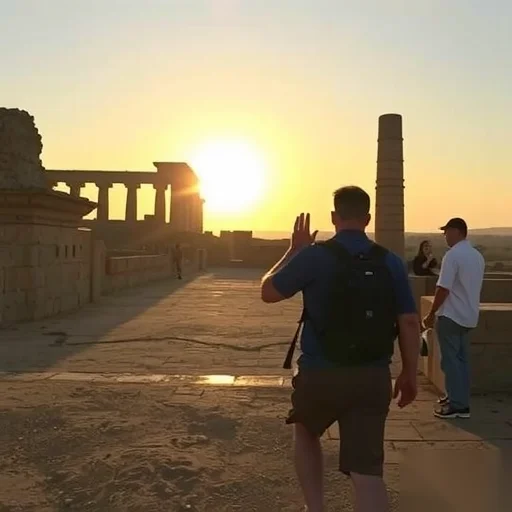



The section on transportation and accommodation made me feel more confident about my trip. I’m excited to explore the ancient sites with a local guide.
I found this guide very helpful for planning my first trip to Iraq. The tips on cultural respect and choosing the right time to visit were especially useful.