
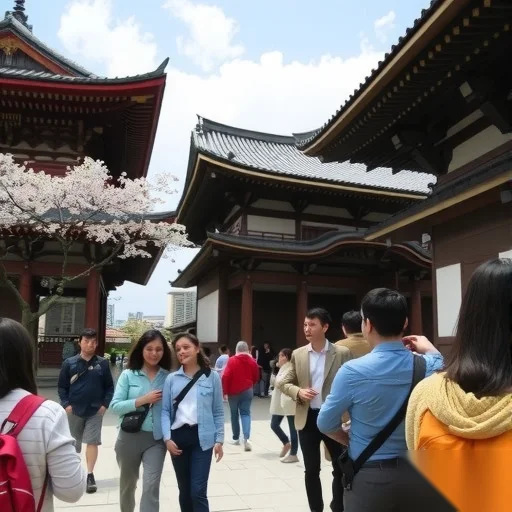
Traveling in a group to Japan and South Korea can be both exciting and challenging. If you’re looking for a seamless and unforgettable experience, the key lies in thorough planning, understanding local culture, and choosing the right itinerary. This guide will walk you through the essential steps to plan a successful group trip to these two East Asian gems.
When organizing a group tour to Japan and South Korea, the first step is to determine the purpose of the trip. Are you looking for cultural immersion, food exploration, or a mix of both? Understanding the group’s interests will help tailor the itinerary. For example, if the group is interested in history, prioritize visits to historical sites in Kyoto, Seoul, and Busan. If food is the focus, plan for street food tours and local markets.
Next, consider the group size and preferences. A larger group may require more structured itineraries and accommodations that can accommodate everyone comfortably. Smaller groups offer more flexibility and personalized experiences. It’s also important to establish a budget and decide on transportation methods—whether flying together, using trains, or a combination.
Researching the best time to visit is another crucial step. Japan experiences four distinct seasons, each with its own charm. Spring (March to May) is ideal for cherry blossoms, while autumn (September to November) offers beautiful foliage. South Korea is best visited in spring and autumn as well, with pleasant weather and fewer tourists. Avoiding peak travel seasons can help reduce costs and overcrowding.
Choosing the right destinations within Japan and South Korea is essential. In Japan, consider Tokyo for its modernity, Kyoto for its temples, and Osaka for its food. In South Korea, Seoul is the cultural hub, Busan offers coastal beauty, and Jeju Island is perfect for relaxation. A well-balanced mix of cities and natural attractions ensures a diverse and engaging experience.
Group logistics should be handled carefully. Assign a leader or coordinator to manage schedules, transportation, and communication. Ensure everyone has a clear understanding of the itinerary and any rules or expectations. Booking accommodations in advance and securing group discounts can save time and money.
Cultural etiquette is another important aspect. In Japan, bowing, removing shoes indoors, and respecting quiet hours in temples are essential. In South Korea, bowing, using both hands when giving or receiving items, and avoiding public displays of affection are key. Being respectful of local customs enhances the travel experience and shows appreciation for the culture.
A sample itinerary could include a week in Tokyo, followed by a week in Seoul, with a short trip to Busan or Jeju Island. In Tokyo, visit the Imperial Palace, Senso-ji Temple, and enjoy a sushi dinner in Ginza. In Seoul, explore Gyeongbokgung Palace, Namsan Tower, and sample street food in Myeongdong. A day trip to Busan or a relaxing stay on Jeju Island can provide a nice contrast.





The tips on group logistics were a lifesaver. We had 15 people and it all went smoothly thanks to the advice given.
This guide is extremely helpful for planning a group trip. I especially liked the section on cultural etiquette—it saved me from making a mistake during my visit to Japan.
The itinerary examples gave me a clear idea of how to structure our trip. We followed the Tokyo-Seoul-Busan route and it was absolutely amazing!