
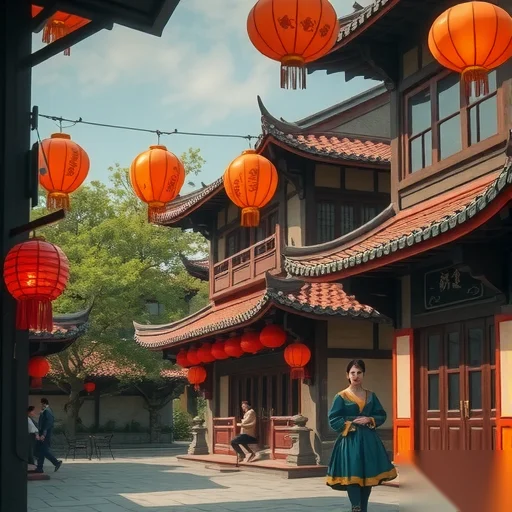

If you’re looking for an immersive and authentic Tang Dynasty experience without traveling far, this guide is for you. By visiting nearby historical sites and cultural attractions that reflect Tang Dynasty culture, you can step back in time and experience the grandeur of one of China’s most influential dynasties. From ancient temples to traditional performances, this guide will help you plan a meaningful and unforgettable journey.
Choosing the right destination is the first step in any successful Tang Dynasty tourism experience. While the capital city of Chang’an (modern-day Xi’an) is the most iconic, there are many other nearby locations that offer rich historical and cultural heritage. These include places like Luoyang, Chengdu, and even smaller towns with well-preserved Tang-style architecture. Each of these locations provides a unique glimpse into the Tang Dynasty’s influence on art, religion, and daily life.
To fully appreciate the Tang Dynasty experience, it’s essential to understand the key elements that define this era. The Tang Dynasty, which lasted from 618 to 907 AD, was a golden age of Chinese civilization, known for its cultural achievements, international trade, and artistic innovation. Tang-style architecture, clothing, and music were deeply influenced by both Chinese traditions and foreign cultures, making it a fascinating period to explore. By immersing yourself in these elements, you can gain a deeper appreciation for the historical significance of the Tang Dynasty.
Planning your trip involves several key steps. First, research and select the best destinations that offer authentic Tang Dynasty experiences. Next, create a detailed itinerary that includes historical sites, cultural performances, and traditional markets. It’s also important to consider the best time to visit, as certain attractions may be more accessible or visually stunning during specific seasons. Additionally, preparing for the trip by learning some basic Tang Dynasty history and customs can enhance your overall experience.
Let’s take a look at a real example of how to plan a Tang Dynasty-style trip. Imagine visiting Luoyang, a city that was once one of the most important capitals of the Tang Dynasty. Here, you can explore the Longmen Grottoes, which feature stunning Buddhist sculptures that reflect the artistic achievements of the era. You can also visit the Tang Dynasty-style street in the city, where traditional performances, food stalls, and costumed actors recreate the atmosphere of the past. By combining these experiences, you can create a rich and immersive journey into the heart of Tang Dynasty culture.
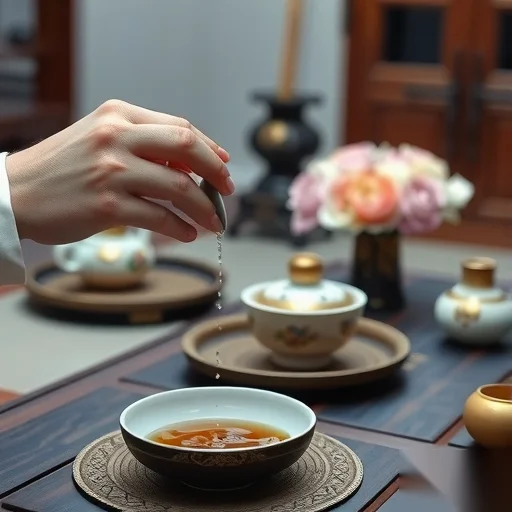
Another popular destination is Chengdu, which, while not a Tang capital, has strong historical ties to the dynasty. Chengdu’s tea culture, ancient temples, and traditional markets offer a unique perspective on Tang Dynasty life. Visitors can enjoy tea ceremonies, visit historical sites like the Du Fu Thatched Cottage, and experience the local cuisine that has roots in Tang Dynasty traditions. These activities provide a more relaxed but equally enriching way to engage with Tang culture.
For those interested in a more hands-on experience, some nearby towns offer opportunities to participate in traditional crafts and performances. For instance, you might take a workshop to learn how to make Tang Dynasty-style pottery or attend a performance of traditional music and dance. These activities not only provide a deeper understanding of the era but also allow you to connect with the culture in a meaningful way.
It’s also important to consider the logistics of your trip. While many of these destinations are easily accessible by train or bus, some may require a car or guided tour for a more convenient experience. Researching local transportation options and booking accommodations in advance can help ensure a smooth and enjoyable journey. Additionally, some attractions may have limited hours or require reservations, so it’s best to plan ahead to avoid any disappointments.
Finally, don’t forget to immerse yourself in the local culture. Trying traditional Tang Dynasty foods, such as dumplings, steamed buns, and various delicacies, can be a delightful way to experience the era. Visiting local markets and interacting with residents can also provide valuable insights into how Tang Dynasty traditions have influenced modern life.
By following these steps and exploring nearby historical sites, you can create a meaningful and unforgettable Tang Dynasty tourism experience. Whether you’re a history enthusiast, a culture lover, or simply looking for a unique travel experience, the Tang Dynasty offers a wealth of opportunities to connect with the past.



I loved the part about the tea ceremony. It gave me a new appreciation for Tang Dynasty culture. I plan to visit Chengdu next.