

Traveling to Xinjiang and Tibet is an unforgettable experience, but it can also be complex due to the vast distances, high altitudes, and cultural differences. This guide provides a clear, step-by-step approach to help you plan a seamless and enriching journey, ensuring you make the most of your time in these incredible regions.
First, it’s essential to understand the unique characteristics of both destinations. Xinjiang, located in China’s northwest, is known for its diverse ethnic cultures, stunning natural landscapes, and historical sites. Tibet, on the other hand, is a sacred land with a rich spiritual heritage, breathtaking mountainous terrain, and a deep connection to Buddhism. Knowing these differences will help you tailor your itinerary to your interests.
Before you start planning, research the best travel seasons for each region. Xinjiang is best visited from May to October, when the weather is mild and the scenery is at its most vibrant. Tibet, however, is best explored between April and October, but be prepared for altitude sickness due to its high elevation. You’ll also need to consider visa requirements, as both regions require special permits for certain areas.
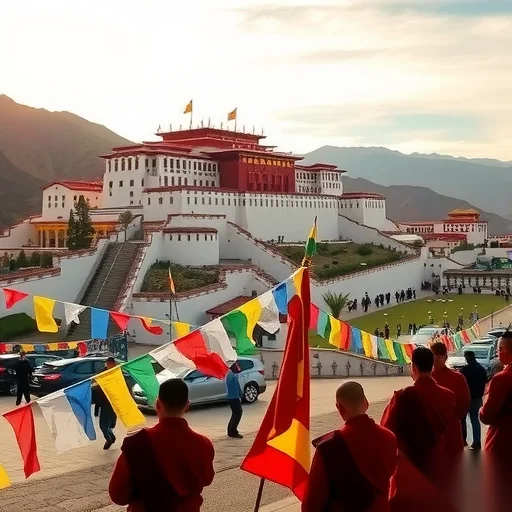
Next, plan your route carefully. A common itinerary includes starting in Urumqi, the capital of Xinjiang, before heading to Kashgar, where you can explore the Silk Road heritage. From there, you can travel to the Pamir Mountains or the Taklamakan Desert. After Xinjiang, many travelers move on to Lhasa in Tibet, visiting the Potala Palace, Jokhang Temple, and the Everest region. Be sure to allocate enough time for acclimatization in Tibet, as altitude can affect your health.
When it comes to transportation, you have several options. Domestic flights are the fastest way to reach both regions, but they can be expensive. Alternatively, you can take trains or buses, though these may take longer. For those who enjoy the adventure, driving or riding with a local guide can offer a more immersive experience.
Accommodation options vary from budget-friendly guesthouses to luxury hotels. In Xinjiang, you’ll find a mix of traditional and modern lodgings, while in Tibet, many hotels are located in mountainous areas and may offer views of the surrounding landscapes. Be sure to book in advance, especially during peak travel seasons.
Dining in Xinjiang and Tibet offers a unique culinary experience. In Xinjiang, you can try dishes like kebabs, pita bread, and hand-pulled noodles, while in Tibet, you’ll enjoy momos, tsampa, and butter tea. Don’t forget to try local specialties like the Xinjiang-style lamb and Tibetan butter tea—both are essential to the local culture.
Safety and health are also important considerations. In Tibet, altitude sickness is a common concern, so it’s wise to take precautions such as gradually ascending and staying hydrated. You should also carry medications and consult with a doctor before your trip. In Xinjiang, be mindful of local customs and dress modestly when visiting religious sites.
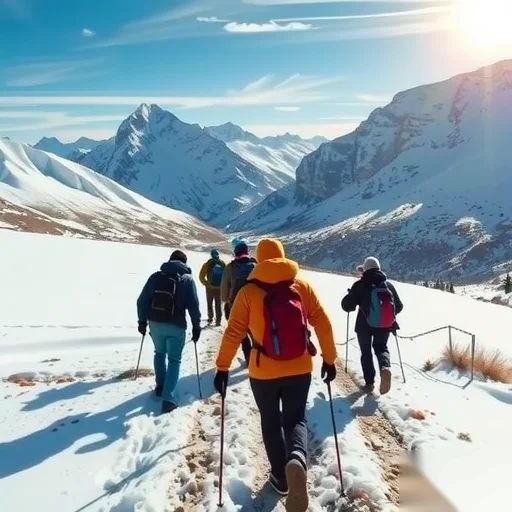
A real example of a successful trip would be a traveler who spent two weeks in Xinjiang, exploring the Silk Road cities and the natural wonders, followed by a week in Tibet, where they acclimatized in Lhasa and then trekked in the Everest region. This itinerary allowed them to experience both regions thoroughly while managing the challenges of high altitude and long distances.
Lastly, pack appropriately for the weather and terrain. In Xinjiang, bring warm clothing for the evenings and light layers for the days. In Tibet, a good quality jacket and sunglasses are essential due to the strong UV rays. Also, carry a reusable water bottle, as many areas may not have reliable tap water.
By following these steps and preparing in advance, you can ensure a smooth and enjoyable journey through Xinjiang and Tibet. These regions offer a unique blend of natural beauty, cultural richness, and spiritual depth, making them a must-visit for any traveler.


The itinerary was so well-structured. I loved the balance between cultural sites and natural landscapes. The image of the Potala Palace really captured the essence of Tibet.
I followed this guide and had an amazing trip. The tips on acclimatizing in Tibet were lifesaving! Highly recommend this for first-timers.
This guide made me feel confident about planning my own trip. The advice on food and safety was especially helpful.