
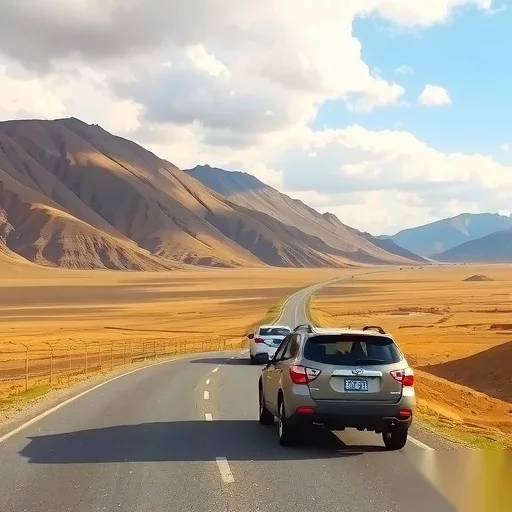

Traveling by car in Tibet is an unforgettable experience, but it can also be challenging if you’re not well-prepared. This guide will walk you through the essential steps to plan a self-driving tour in Tibet, ensuring a smooth and enjoyable journey. Whether you’re a seasoned driver or a first-time traveler, this guide will help you navigate the unique terrain, cultural norms, and logistical considerations of this incredible region.
First and foremost, you need to understand the basics of driving in Tibet. The roads can be rough, especially in remote areas, and the altitude can affect both your vehicle and your body. It’s important to choose the right vehicle, prepare for the weather, and obtain the necessary permits. By addressing these key points upfront, you can avoid common pitfalls and make the most of your adventure.
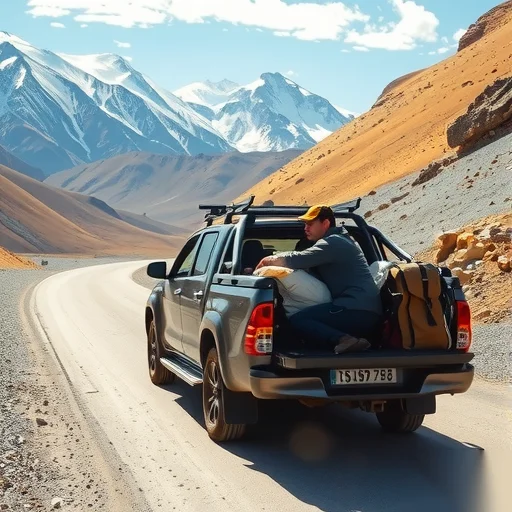
Choosing the right vehicle is one of the most critical decisions you’ll make. A four-wheel-drive vehicle is highly recommended, especially if you plan to travel to remote areas like Mount Kailash or the Yarlung Tsangpo Grand Canyon. Vehicles like the Toyota Hilux or Land Cruiser are popular choices due to their reliability and off-road capabilities. If you’re renting a car, make sure it’s equipped with a spare tire, jumper cables, and a good set of tires. Additionally, check the vehicle’s condition before departure, as roads in Tibet can be unforgiving.
Permits are another essential consideration. Tibet requires a Travel Permit (Tibet Travel Permit) and a Permit for Foreigners to Enter Tibet (Tibet Entry Permit) for most travelers. These permits are usually arranged through a licensed travel agency, as independent travel is not allowed. It’s important to apply for these permits well in advance, as the process can take several weeks. Be sure to provide accurate information, including your passport details and itinerary, to avoid delays.
Weather conditions in Tibet can be unpredictable, so it’s crucial to pack appropriately. The temperature can drop significantly at higher altitudes, and sudden weather changes are common. Bring warm clothing, including a thick jacket, gloves, and a hat, as well as waterproof gear for rainy days. In addition to clothing, consider bringing a portable charger and a power bank, as electricity can be limited in some areas.
When planning your route, it’s important to consider the road conditions and the time of year. The best time to visit Tibet is between April and October, when the weather is more stable and the roads are less likely to be closed due to snow. However, even during this period, you should be prepared for sudden changes. Always check the latest road conditions and weather forecasts before setting off.
A practical example of a successful self-driving tour in Tibet involves a group of travelers who planned their trip carefully. They rented a four-wheel-drive vehicle, obtained all necessary permits, and packed essential gear. They also followed a well-researched route, avoiding the busiest areas to minimize traffic and maximize their experience. Their journey included stops at iconic landmarks like Lhasa, Everest Base Camp, and the Potala Palace, all of which were enjoyed without major disruptions.
In addition to the practical aspects, it’s important to respect the local culture and environment. Tibet is a sacred land with a rich cultural heritage, and travelers should be mindful of local customs, especially when visiting monasteries and religious sites. Always ask for permission before taking photos of people, and avoid littering. Supporting local businesses and communities can also enhance your experience and contribute to the region’s sustainability.
Lastly, staying safe and informed is key to a successful trip. Familiarize yourself with the local emergency numbers and have a plan in case of emergencies. It’s also wise to travel with a trusted guide or join a small group, especially if you’re not familiar with the region. Keeping an open mind and being flexible can make all the difference in navigating the challenges of self-driving in Tibet.



I followed this guide and had an amazing trip! The tips about permits and vehicle choice were spot on. I would definitely recommend it to anyone planning a self-driving tour in Tibet.
The image of the Toyota Hilux in the mountains was perfect. It really captured the essence of what a self-driving trip in Tibet is like.
This guide was incredibly helpful. I was worried about the permits and the weather, but the step-by-step approach made everything clear. Thanks for sharing!