
Traveling is one of the most exciting experiences in life, but for many, the idea of creating a video travel guide can feel overwhelming. Whether you’re a seasoned traveler or a first-time content creator, the process of planning, filming, and editing a video travel guide can be time-consuming and frustrating. The good news is that with the right approach, you can create a compelling and engaging video that showcases your travel experiences in a way that resonates with your audience. The key lies in understanding the core principles of video storytelling and following a structured process that ensures your guide is both informative and visually appealing.
When it comes to creating a video travel guide, the most common challenge is figuring out how to balance content with visuals in a way that keeps viewers interested. Many people start by filming everything they see, but this often leads to cluttered footage that lacks direction. The solution is to plan your content with a clear structure and focus on the elements that will engage your audience from the beginning. This includes choosing the right locations, planning your shots, and editing your footage to tell a compelling story.
A great video travel guide isn’t just about showing places—it’s about creating an emotional connection with your viewers. This means focusing on storytelling, highlighting the unique aspects of each location, and capturing the atmosphere of the place. Whether you’re exploring a bustling city or a quiet mountain retreat, the goal is to make your audience feel like they’re right there with you. To achieve this, you need to consider the pacing of your video, the use of music and sound effects, and the overall flow of your content.
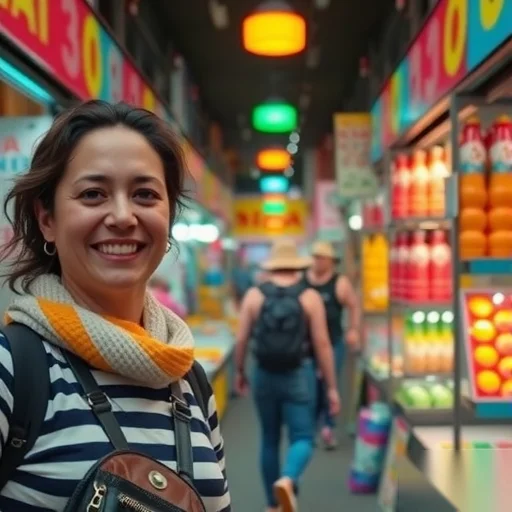
Before you start filming, it’s important to plan your shots in advance. This includes deciding on the key locations you want to feature, the best times of day to film, and the types of shots you’ll need to tell your story. For example, if you’re highlighting a city, you might want to include wide-angle shots of the skyline, close-ups of local markets, and candid moments of people interacting with the environment. Planning your shots in advance will help you avoid missing important details and ensure that your video has a cohesive visual style.
Once you’ve planned your shots, the next step is to execute them effectively. This means paying attention to lighting, angles, and composition to create visually appealing footage. It also means being mindful of the soundscape—using ambient sounds, background music, and voiceovers to enhance the storytelling. If you’re filming in a new location, it’s also a good idea to research the local culture and customs to ensure that your content is respectful and authentic.
One of the best ways to improve your video travel guide is to look at examples of successful travel videos and analyze what makes them work. Pay attention to how the creators structure their content, how they use visuals to tell a story, and how they engage with their audience. You can also experiment with different styles and formats to find what works best for your brand or audience. Whether you’re using a smartphone or a professional camera, the key is to focus on quality and creativity rather than technical perfection.
Let’s take a real-world example to illustrate how this works. Imagine you’re planning a video guide to Kyoto, Japan. You start by researching the top attractions, such as Fushimi Inari Shrine, Arashiyama Bamboo Grove, and the historic Gion district. You then plan your shots to highlight the beauty of each location, using a mix of wide-angle shots, close-ups, and slow-motion footage. You also include voiceover narration to provide context and guide your viewers through the experience. After filming, you edit the footage to create a smooth flow, adding background music and sound effects that enhance the atmosphere. The result is a video that not only showcases the beauty of Kyoto but also immerses your audience in the local culture and history.
Creating a video travel guide is a rewarding process that allows you to share your experiences with others in a unique and engaging way. By planning your content, focusing on storytelling, and using the right techniques, you can create a video that stands out and leaves a lasting impression. Whether you’re looking to build a travel content brand or simply share your adventures with friends and family, the key is to stay passionate, stay organized, and stay creative.



This guide is incredibly helpful! I’ve been wanting to create a travel video for my recent trip to Bali, and this gives me a clear roadmap to follow. I’ll definitely start planning my shots now!
The section on storytelling really resonated with me. I used to just film everything without a clear structure, but now I understand the importance of pacing and emotional connection. Thanks for the insight!