

Lhasa, the sacred city of Tibet, is a dream destination for many travelers. However, planning a trip to Lhasa can be overwhelming due to its unique geography, cultural significance, and the need for proper preparation. The key to a successful Lhasa trip lies in understanding the essentials: from acclimatization to cultural etiquette, from must-see attractions to practical tips. This guide will walk you through the most important steps to ensure your Lhasa adventure is both safe and unforgettable.
Lhasa is located at an altitude of over 3,600 meters, making altitude sickness a common concern for first-time visitors. To avoid discomfort, it’s crucial to acclimatize gradually. Spend at least one day in the city to allow your body to adjust. Stay hydrated, avoid alcohol, and take it easy during the first few days. If you experience symptoms like headaches or nausea, consider taking Diamox or consulting a local pharmacist for advice.
Another critical aspect of planning a Lhasa trip is understanding the local culture and traditions. Tibet has a rich spiritual heritage, and visitors should respect the customs of the local people. For example, it’s considered impolite to touch someone’s head, and photography in monasteries may require permission. Dress modestly, especially when visiting religious sites, and be mindful of local traditions during festivals.
When it comes to attractions, Lhasa offers a wealth of experiences. The Potala Palace, the spiritual heart of Tibet, is a must-visit. Take a guided tour to learn about its history and significance. The Jokhang Temple, located in the heart of the city, is another iconic site. Visitors should arrive early to avoid crowds and enjoy the serene atmosphere. Don’t forget to explore the Barkhor Street, a bustling market where you can find traditional crafts, Tibetan snacks, and souvenirs.
Transportation in Lhasa is relatively straightforward, but it’s important to plan your routes in advance. Public buses and taxis are available, but they can be unreliable. Renting a private car or hiring a local guide is often a better option, especially for first-time visitors. If you’re traveling from other parts of Tibet, consider taking the Qinghai-Tibet Railway or flying into Lhasa Gonggar Airport.
Accommodation in Lhasa ranges from budget-friendly guesthouses to luxury hotels. The city has a variety of options, so it’s best to book in advance, especially during peak travel seasons like summer and during festivals. Look for places that offer good views of the city or the nearby mountains for a more immersive experience.
Food is another important part of the Lhasa experience. Tibetan cuisine is hearty and flavorful, with dishes like tsampa (roasted barley flour), butter tea, and momo (dumplings) being popular choices. Try local markets for fresh ingredients and street food, but be cautious of food hygiene. It’s also a good idea to carry some cash, as credit cards may not be widely accepted in smaller shops.


Lhasa is a city of contrasts—spiritual and modern, ancient and contemporary. By planning your trip with care, you can experience its beauty and culture without the stress of last-minute decisions. From the majestic Potala Palace to the bustling Barkhor Street, every corner of Lhasa tells a story. With the right preparation and mindset, your Lhasa adventure can be a once-in-a-lifetime experience.
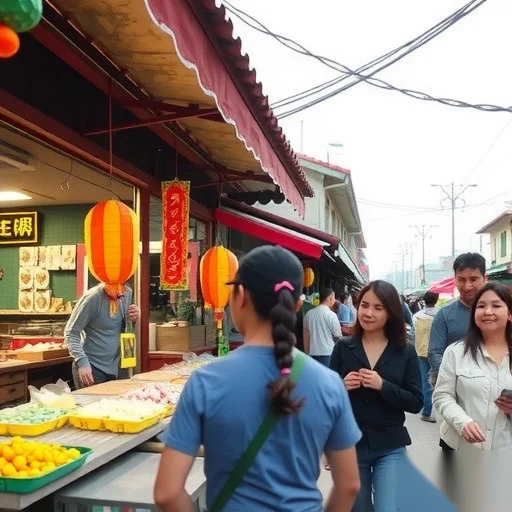


I love the image prompts—they gave me a clear idea of what to expect in Lhasa. It made the guide even more engaging and visual.
I followed this guide and had an amazing trip! The tips on acclimatization and cultural respect were incredibly helpful. I felt more prepared and respectful during my visit.
The section on food and accommodation was a lifesaver. I didn’t know about the local markets and found some amazing places to eat. Highly recommend this guide!