


If you’re planning a self-guided trip to Zhangjiajie, the key to a successful and stress-free journey lies in careful preparation and understanding the local landscape. This guide will walk you through the essential steps to plan your own Zhangjiajie adventure, from choosing the best time to visit to navigating the area without a tour group. Whether you’re a first-time traveler or a seasoned adventurer, this guide will help you make the most of your time in this stunning natural wonder.
Zhangjiajie is known for its breathtaking karst mountain formations, lush forests, and unique cultural experiences. However, without proper planning, it can be overwhelming to navigate the area, especially if you’re not familiar with the local transportation system or the best hiking trails. The solution is to plan your itinerary in advance, research the key attractions, and organize your transportation and accommodation. This way, you can enjoy the beauty of Zhangjiajie without the stress of last-minute decisions.
The first step in planning your self-guided trip is to decide on the best time to visit. Zhangjiajie has a mild climate year-round, but the best months to visit are from April to October. During this period, the weather is pleasant, and the natural scenery is at its most vibrant. However, if you’re looking for fewer crowds, consider visiting in the early spring or late autumn. Keep in mind that the weather can change quickly in the mountainous region, so it’s always a good idea to pack layers and check the forecast before you go.
Next, you need to plan your itinerary. Zhangjiajie is a large area with many attractions, so it’s important to prioritize which ones you want to visit. The most popular sites include Tianmen Mountain, Avatar Hallelujah Mountain, and the Glass Bridge. Each of these attractions offers a unique experience, from hiking and cable car rides to breathtaking views. You can also explore the local villages and cultural sites, such as the Zhangjiajie National Forest Park and the Hunan Provincial Museum. To make the most of your trip, allocate at least three to four days to explore the area, allowing enough time to rest and recover between activities.
Transportation is another key factor to consider. Zhangjiajie has a well-developed public transportation system, including buses and taxis, but it’s important to plan your routes in advance. If you’re staying in the city center, you can take a bus or taxi to the main attractions. However, if you’re planning to visit remote areas like the Glass Bridge or Avatar Hallelujah Mountain, it’s best to book a private shuttle or arrange for a guided tour. This will save you time and ensure that you don’t miss out on any key experiences.
Accommodation is another important aspect of your trip. Zhangjiajie offers a range of options, from budget-friendly hostels to luxury hotels. If you’re looking for a more immersive experience, consider staying in one of the local villages or guesthouses. These accommodations often provide a more authentic taste of the local culture and can be a great way to connect with the community. Be sure to book your accommodation in advance, especially during peak season, to ensure availability.
Once you’ve planned your itinerary and booked your transportation and accommodation, it’s time to start exploring. Begin your trip by visiting the main attractions, such as Tianmen Mountain. This mountain is famous for its massive sandstone pillars and the Tianmen Cave, which can be accessed by cable car. From there, you can head to Avatar Hallelujah Mountain, where you’ll find some of the most iconic rock formations in the area. Don’t forget to try the Glass Bridge, a transparent bridge that offers an exhilarating view of the surrounding landscape.
In addition to the natural attractions, Zhangjiajie also has a rich cultural heritage. You can visit the local museums to learn more about the history and traditions of the region. If you’re interested in experiencing the local cuisine, be sure to try the regional dishes, such as the famous Hunan hotpot and local rice noodles. These meals are not only delicious but also provide a great opportunity to interact with the locals and learn more about their way of life.
One of the most rewarding aspects of a self-guided trip to Zhangjiajie is the flexibility it offers. Unlike a group tour, you can set your own pace, explore at your leisure, and make spontaneous decisions based on your interests. Whether you’re hiking through the forests, taking in the panoramic views from the mountains, or simply
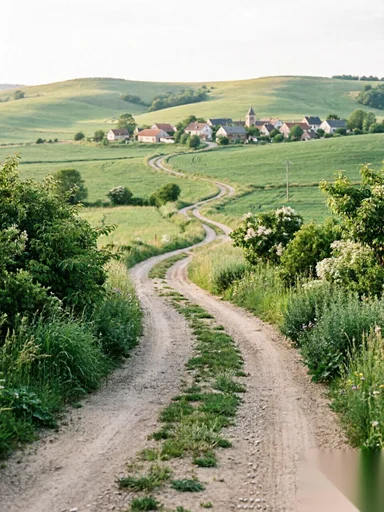


Exploring Zhangjiajie on my own was an unforgettable experience! The guide made it easy to navigate the stunning landscapes and must-see spots.
I followed the steps in the article and had a seamless trip. The tips on transportation and local culture were especially helpful.