
The straightforward answer is that Baoji’s loop route—a circuit connecting the city’s historical sites, the Qinling Mountains, and the northern loess plateau—is best traveled as a three‑day journey that lets you move from civilization into nature without rushing. Most travelers make the mistake of treating Baoji as a single stop on the way to somewhere else, missing the chance to see how the city sits at the crossroads of Chinese history. The solution is to base yourself in Baoji city for one day to explore the Bronze Museum and the Famen Temple, then drive south into the Qinling range for hiking and mountain views, and finally loop back north to the Taibai Mountain area. With a car and a flexible itinerary, you can experience the region’s cultural depth and natural beauty in one cohesive trip.
The biggest mistake is underestimating the driving times between the southern and northern sections of the loop. The mountain roads are scenic but slow, and a detour that looks short on a map can take hours. Another common error is visiting Famen Temple during peak afternoon hours, when the vast plaza becomes crowded and the experience feels more like a theme park than a pilgrimage site. The principle is simple: start early, let the loop unfold in order, and prioritize the experiences that matter most to you.
Start your journey in **Baoji city**. The **Baoji Bronze Museum** is a must—it houses the largest collection of Western Zhou bronzes in China, with pieces that tell the story of early Chinese civilization. Plan to spend two hours here; the exhibits are well‑labeled in English and Chinese. Afterwards, drive 20 minutes to **Famen Temple**, a Tang‑dynasty Buddhist site famous for its underground palace containing a finger bone relic of the Buddha. To avoid crowds, arrive just after the temple opens at 8:00 AM, walk the modern plaza quickly, and spend your time in the original Tang‑era pagoda and the underground palace. The quiet morning hours allow you to appreciate the spiritual weight of the site.

On the second day, head south into the **Qinling Mountains**. The road from Baoji to the **Qinling Scenic Area** follows a river valley, with pull‑offs for small temples and views of terraced hills. The **Tiantai Mountain Scenic Area** offers gentle trails through forest and past waterfalls—a good introduction to the Qinling ecosystem. For a more immersive experience, drive further south to **Taibai Mountain**, the highest peak in the Qinling range. The national park here has cable cars that take you to sub‑alpine meadows, and trails ranging from short walks to multi‑day treks. Even a half‑day visit allows you to stand among the mountains that form the climatic divide between northern and southern China.

On the third day, complete the loop by heading north from the mountains back toward Baoji via the **Guanshan Grassland** area. This section of the loop takes you onto the loess plateau, where rolling hills give way to pastoral scenes of sheep grazing and farmers working terraced fields. Guanshan itself is a developed grassland tourist area, but the roads leading to it offer quiet rural views. If you have time, stop at the **Lingbao Gorge** for a short hike before returning to Baoji city.
A concrete example: a traveler I know drove the loop over three days. Day one: he arrived in Baoji by high‑speed train, visited the Bronze Museum in the afternoon, and stayed overnight near Famen Temple. Day two: he visited Famen Temple at 8:00 AM, then drove into the Qinling, spending the afternoon walking the trails at Tiantai Mountain. He stayed in a small guesthouse near the mountain. Day three: he drove north, stopping at a roadside village for breakfast, then walked the boardwalks at Guanshan Grassland before returning to Baoji for an evening train. He felt the loop gave him a balanced taste of history, mountain nature, and plateau landscape without feeling rushed.
Logistics: Renting a car is the most flexible way to do the loop; major rental agencies are available at Baoji’s train station. Roads are paved and well‑marked, but mountain roads require attention. If you prefer not to drive, taxis and local buses can cover sections, but a car is strongly recommended for the mountain portions. The best seasons are spring (April‑May) for wildflowers and autumn (October‑early November) for fall colors. Summer can be hot in the lowlands but pleasant in the mountains; winter may bring snow to Taibai, closing higher trails.
[I did this loop in October and it was spectacular. The fall colors in the Qinling were at their peak, and the high meadows of Taibai were golden. The Bronze Museum is world‑class—don’t skip it. Famen Temple at 8am was peaceful; by 10am, the plaza was filling up. A car is essential for the mountain sections.]
[We drove the loop over four days to take it slower. Spent two nights in the Qinling, hiking different trails each day. The biodiversity is incredible—we saw golden pheasants and heard gibbons in the distance. Guanshan Grassland was a nice change of scenery after the mountains. Highly recommend this route for anyone wanting to see beyond the city.]
[I’m a history buff, so I spent a full day at Famen Temple and the Bronze Museum. The underground palace at Famen is the highlight—the relic chamber is small but powerful. I’d add that the museum in Baoji has a second building with more recent archaeological finds; worth the extra hour.]
[This was my first time driving in China, and the roads were well‑maintained. The mountain section from Baoji to Taibai is scenic but has many bends; take it slow. The guesthouses near the mountain are basic but comfortable. A perfect escape from city life.]
Baoji’s loop route connects ancient history (Bronze Museum, Famen Temple) with Qinling mountain trails and northern plateau landscapes—best experienced over three days by car, allowing time for early mornings at key sites and unhurried exploration of the natural scenery.
#BaojiLoop##ShaanxiTravel#FINISHED
Exploring Baoji’s Loop Route? Here’s How to Connect Its Ancient and Natural Wonders

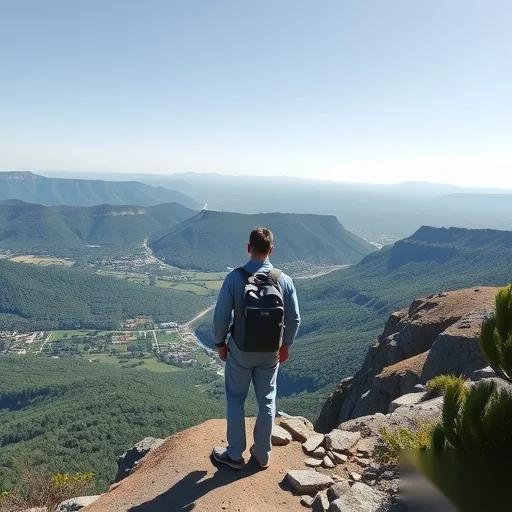

I did this loop in October and it was spectacular. The fall colors in the Qinling were at their peak, and the high meadows of Taibai were golden. The Bronze Museum is world‑class—don’t skip it. Famen Temple at 8am was peaceful
We drove the loop over four days to take it slower. Spent two nights in the Qinling, hiking different trails each day. The biodiversity is incredible—we saw golden pheasants and heard gibbons in the distance. Guanshan Grassland was a nice change of scenery after the mountains. Highly recommend this route for anyone wanting to see beyond the city.
by 10am, the plaza was filling up. A car is essential for the mountain sections.
I’m a history buff, so I spent a full day at Famen Temple and the Bronze Museum. The underground palace at Famen is the highlight—the relic chamber is small but powerful. I’d add that the museum in Baoji has a second building with more recent archaeological finds
worth the extra hour.